About Us
Wabashki Maakinaakoons – Wabaseemoong Child Welfare Authority
WCWA is the authority governing child welfare and protection matters applicable to all Wabaseemoong Independent Nations’ children, their safety and security. The approach to child welfare is consistent with Anishinaabe customary Law respecting the protection and care of children of the Abinoojii Inakonigewin.
Objective
To create a system where community, individuals and families have access to services that enhance self-determination and community capacity towards well-being and resiliency. In so doing, to create a system where reliable evidence may be gathered on a continuous basis, while services have cultural relevance and are meaningful to the community the family and the individual.
Vision
- To create and implement our own Wabaseemoong Customary Child Care Law
- To be a prevention-focused, independently mandated agency that is active in preserving our language, culture, history & traditions
- To have engaged community support, transitional supports for youth independence, and culturally appropriate, fully functional facility & services
Mission
Under the guidance of the Little White Turtle and with use of traditional values, culture and language, WCWA strives in unity to provide exceptional support services to children and families.
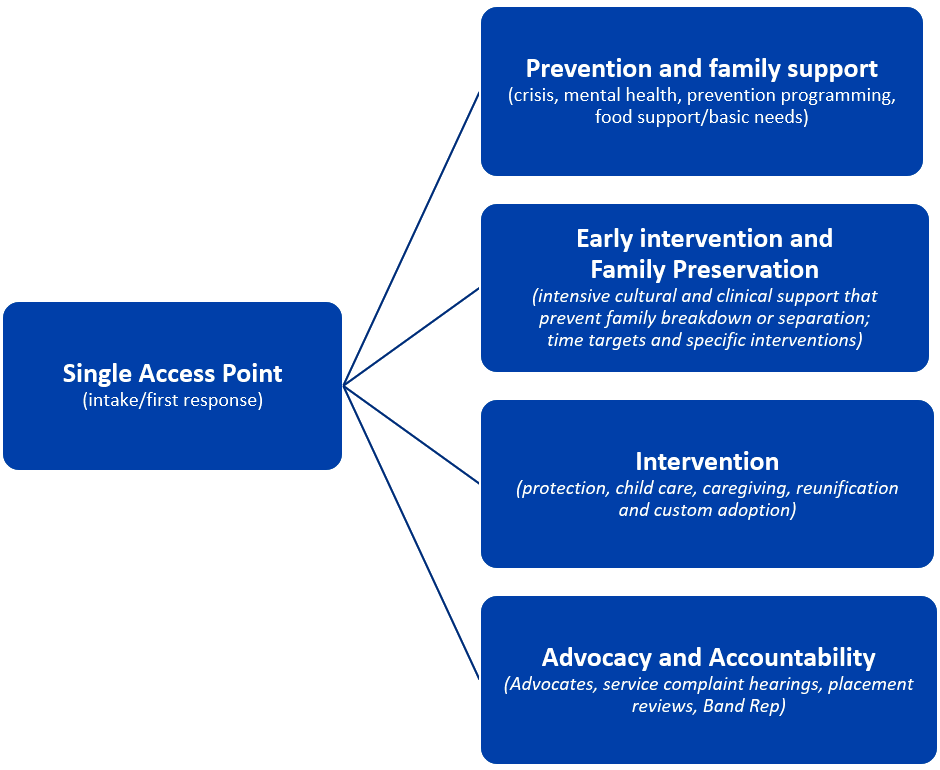
Prevention Services – At the Heart of the Work We Do
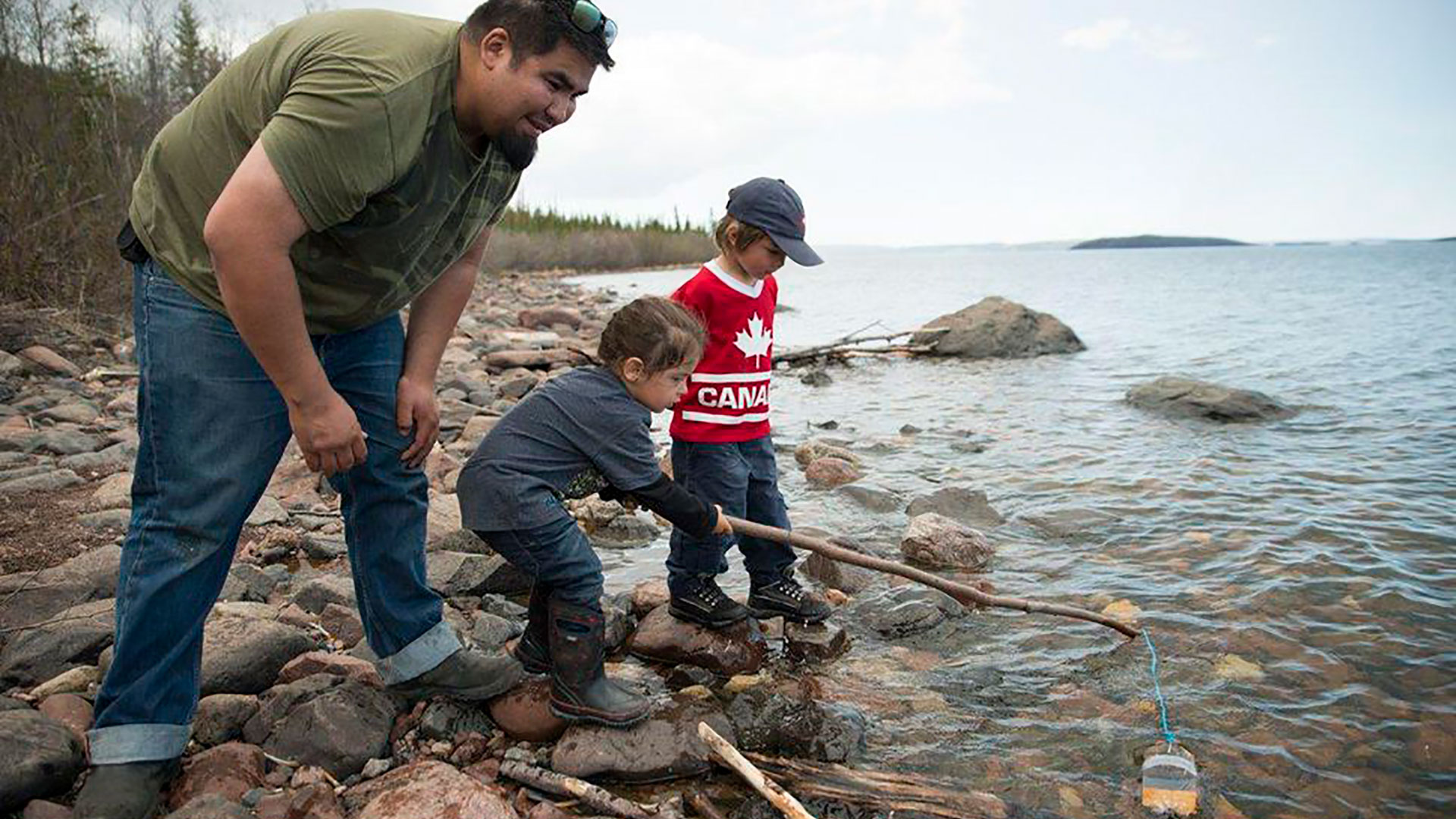
The fundamental heart of the WCWA care model is providing prevention services that will create and support healthy families so that more intensive customary care and protective services are not needed.
Wabashki Mookinaakoons supports families and the community’s healing journey through its Prevention Services program. It provides a wide variety of community outreach including: parenting help (traditional and contemporary), elder support, youth events, community gatherings, and cultural events and supports.
The Prevention Services team provides a three-tiered approach:
- Primary Services: educational workshops, children/youth and community activities that encourage working together
- Secondary Services: one-to-one and family support/counselling, group activities for parents
- Tertiary Services: crisis support services, referrals & advocacy, resource coordination
The Prevention Team is supported by a Healing Coordinator. Part of this position is gathering community history and ensuring that the story of the community is accurately captured and used as tool for community healing and planning.
The Family Preservation Worker facilitates family group conferencing, provides advocacy for families, provides support and intervention in the hopes of avoiding apprehension, and offers programming activities to promote family strengthening and wellness.
Customary Care & Protective Services Ensure the Safety of the Child
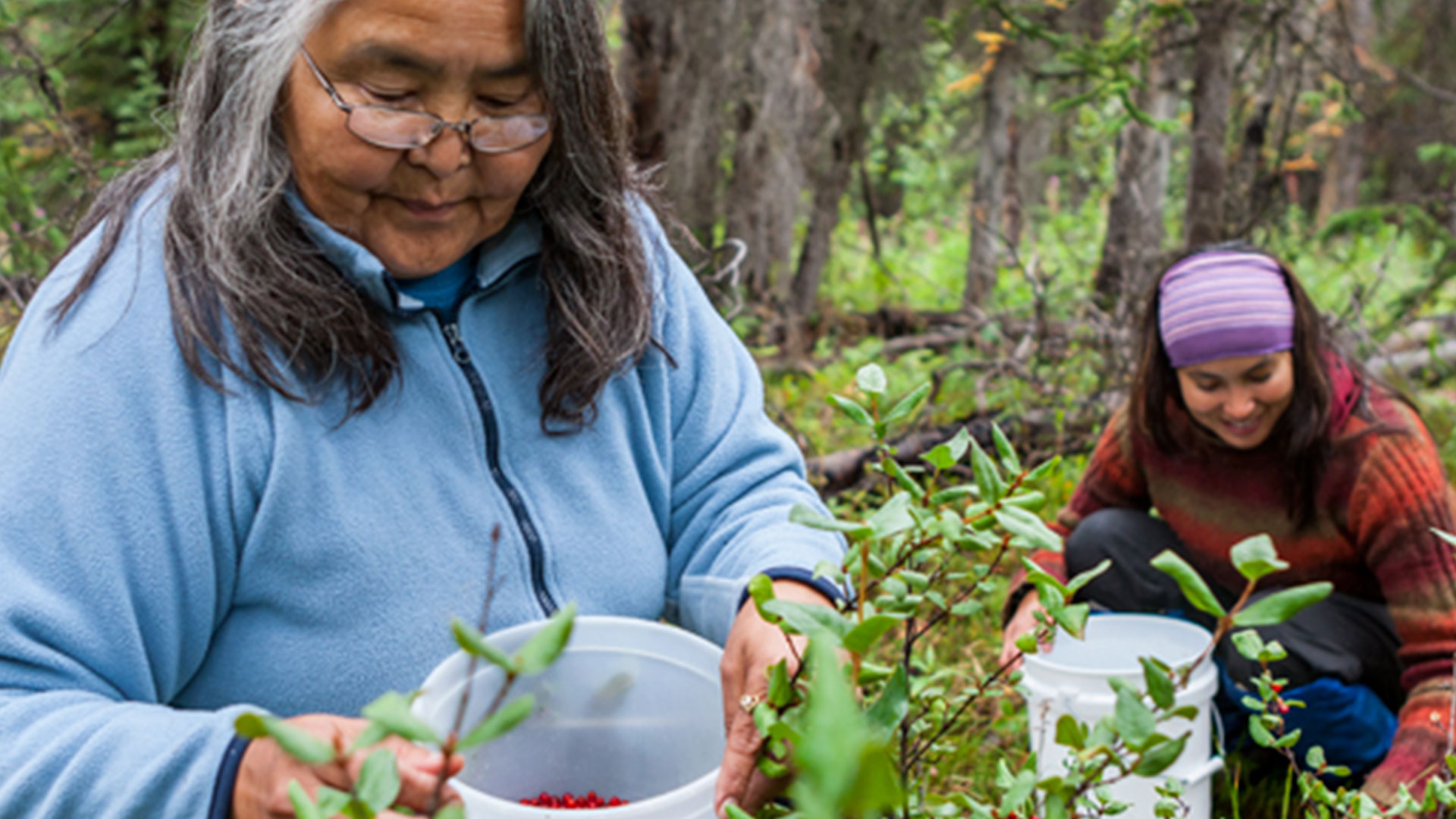
Wabashki Mookinaakoons uses traditional practices to ensure the safety of the child while ensuring the child does not lose connection to the community.
Abiinoojii Inakonigewin ensures the safety and security of our children.
Abiinoojii Niwiidabbimaa ensures that children in need of protection are kept within their extended family and/or community.
The Community Child Care Code relies on family support, immediate response, community conferencing, inclusive planning and cultural supports. These supports are provided by:
- Child in Care Workers
- Family Services Workers
- Youth in Transition Supports
- Alternative Care Coordination (placements)
This model of care and intervention, grounded in holistic and cultural teachings, has already demonstrated success by significantly decreasing the number of children in care.
Our community is rich with traditional knowledge of medicines, and traditional practices and processes. Anishinabemowin is readily used in the community.
We must acknowledge our Elders and traditional Knowledge Keepers, and ensure the transfer of their knowledge and a focus on rejuvenating our traditional ways. Passing our language down to younger generations is the key.
About Customary Care & Custom Adoption
Providing the Best Care for Our Children
Customary Care may be agreed upon or not, and the family is the prime authority as to whether Customary Care is beneficial. Only when the family is so incapable of making a decision is their participation excused.
The Customary Care and Orders that may be issued by Wabaseemoong Independent Nations are:
- Shawentasoowin: the Agency supervises the family home while the children remain there
- Ganawentasoowin: the children are temporarily removed from the parental home and placed in a customary care home with parental consent & access
- Ombigiasoowin: the children are removed from the parental home and placed in a customary care home with or without parental consent or access
- Gagiigimawasoowin: children are placed permanently in a long-term customary care home with or without parental consent, in the absence of custom adoption plans
- Odapinawsowin: custom adoption order as outlined in this Code
What is Custom adoption?
Custom adoption is a long-standing and accepted practice of child placement in Aboriginal culture, and is increasingly being practiced as a permanent option to keep the children within the community.
The arrangement is usually with relatives or other people in the same community. The Elders deem that Custom Adoption has taken place if the following has occurred:
- consent of the birth and adopting parents
- child has been voluntarily placed with adopting parents
- if no consent, the Grandmothers are in agreement with the adoption
- adopting parents are indeed Aboriginal or entitled to rely on Aboriginal custom
- rationale for Custom Adoptions is present
- the relationship created must be understood to create the same relationship as that resulting from familial systems and placements
- a ceremony sanctioning the adoption has taken place
The role of the Customary Care & Custom Adoption Home Provider
- to receive children in their homes as emergency, short- and long-term placements
- to assume the responsibility as a substitute parent to ensure safety & security of the child
- to assure the social & cultural development of the child
- to ensure developmental growth & enculturation while cooperating fully with WCWA
- to be trained specifically in the care of Anishinaabe children
- to aid in recognizing the child’s rights to their identity, language, land, lifestyle, education, spiritual name, clan and cultural & healing practices
- to not obstruct the WCWA, Wabaseemoong Customary Care Code or Abinojii Inakonigewin
Restoring Teachings, and Traditional Family Systems
The importance of child welfare, including stages of life, customary care and adoption, have always been integral in Indigenous life since before time began. By returning to these teachings, WCWA will work toward improving overall family well-being.
The Four Hills of Life and the Child
This teaching explains that each person must satisfactorily progress through four stages of life development, both psychological and spiritual, for Bimatiziwin. Most importantly for our purposes are:
Abinoojiiwin (Infancy & Childhood) ages 0-11
This stage includes entry into the physical reality, with welcoming and naming ceremonies. During these formative years, the child is provided with guidance, direction and sacred teachings to learn life lessons and acquire trust.
Failure by the family to provide these needs results in loss of identity, trust, and in worst cases, life itself. A survivor of this stage who does not compete these learning tasks will continue to search for these psychospiritual qualities.
Oshkiniigiwin (Youth & Adolescence) ages 12-14
This stage is where the great majority of physical, mental, emotional and spiritual development occurs, and shapes the entire life space process of the individual. The young person must learn about their physical and emotional capabilities, and discover their nature, essence and purpose. They must prepare, seek and search the inner self for greater understanding. They may fast in order to attain a vision that will act as a guide for life, and serve as proof that they have been elevated to adulthood.
The teachings of The Four Hills must be top of mind in child protection workers, adoption families and all caregivers.
The Role of the Traditional Family System
There are five levels of social caring for all children. They are the:
- Parental system: the central concern whose inability triggers involvement of child welfare authority
- Extended family system: all relatives from both sides of the parental system
- Clan system: all families that belong to the clan of the child
- Cultural family system: all families that belong to the same namesake or the same source of the child’s spiritual name
The traditional family system incorporates all five of these levels of social caring, which means the opportunity for placements for Aboriginal children within family is boundless.
The Role of the Clan System
The Clan System provides justice, governance and social needs. Each Clan has customary duties and obligations, and any failure may impact the entire Clan system and threaten the quality of life for community members. Because all Clans are called to work together, they achieve their mutually desired goals in a collaborative way.
Clans remain functional and extremely important in Wabaseemoong Independent Nations. It is imperative that anyone caring for an Anishinaabe child confirms their Clan (ododem) as a source of development and support.
The Moose and Turtle Clans are especially important in providing guidance and resolving disputes in family and childcare matters.
The Four Cardinal Clans
- Great White Bear
- Great White Eagle
- Great White Wolf
- Great White Buffalo
The Seven Ordinal Clans
- Crane
- Loon
- Turtle
- Bear
- Marten
- Moose
- Eagle
The teachings of The Four Hills must be top of mind in child protection workers, adoption families and all caregivers.
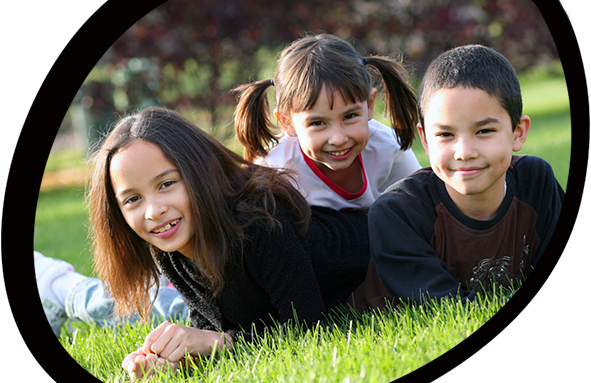
Wabaseemoong Child Welfare Authority Staff and Management
Adolphus Cameron
Executive Director
Delores Paishk
Director of Services
Samara Cameron
Prevention Services Resource Manager
Jamal McDonald
Prevention Services Worker
Jonathan Nelson
Prevention Services Worker
Martella McDonald
Prevention Services Worker
Community Partners & Programs – Working Together
The WCWA works with community resources and external service providers (both on- and off-reserve) to heal and strengthen body, mind and spirit of our children and our families. This may include referrals or integrated services with programs such as:
- Infant Stimulation
- Healthy Babies Healthy Children
- Early Childhood Development
- Education Intervention
- Family Well-Being Program
- National Native Drug Abuse Program
- Brighter Futures
- Mental Health & Addictions
- Wabaseemoong Youth Camp
- Aboriginal Diabetes Initiative
- Jordan’s Principle
- Safe Haven
- Nigonigawbow Secretariat
- Kenora Chiefs Advisory
- FASD Services
- Aboriginal Child Nutrition
- Right to Play Program
- Wiisokodaadig Peer Helpers Program
- Bii-Zin-Da-De-Dah Prevention Program
- Children’s Mental Health
- Youth Outreach Worker Program
- Youth in Transition
- Life Skills Program
- Niigaanning Bimaadiziwin Developmental Services
- Bimose Tribal Council
- Firefly
- Kenora Association for Community Living
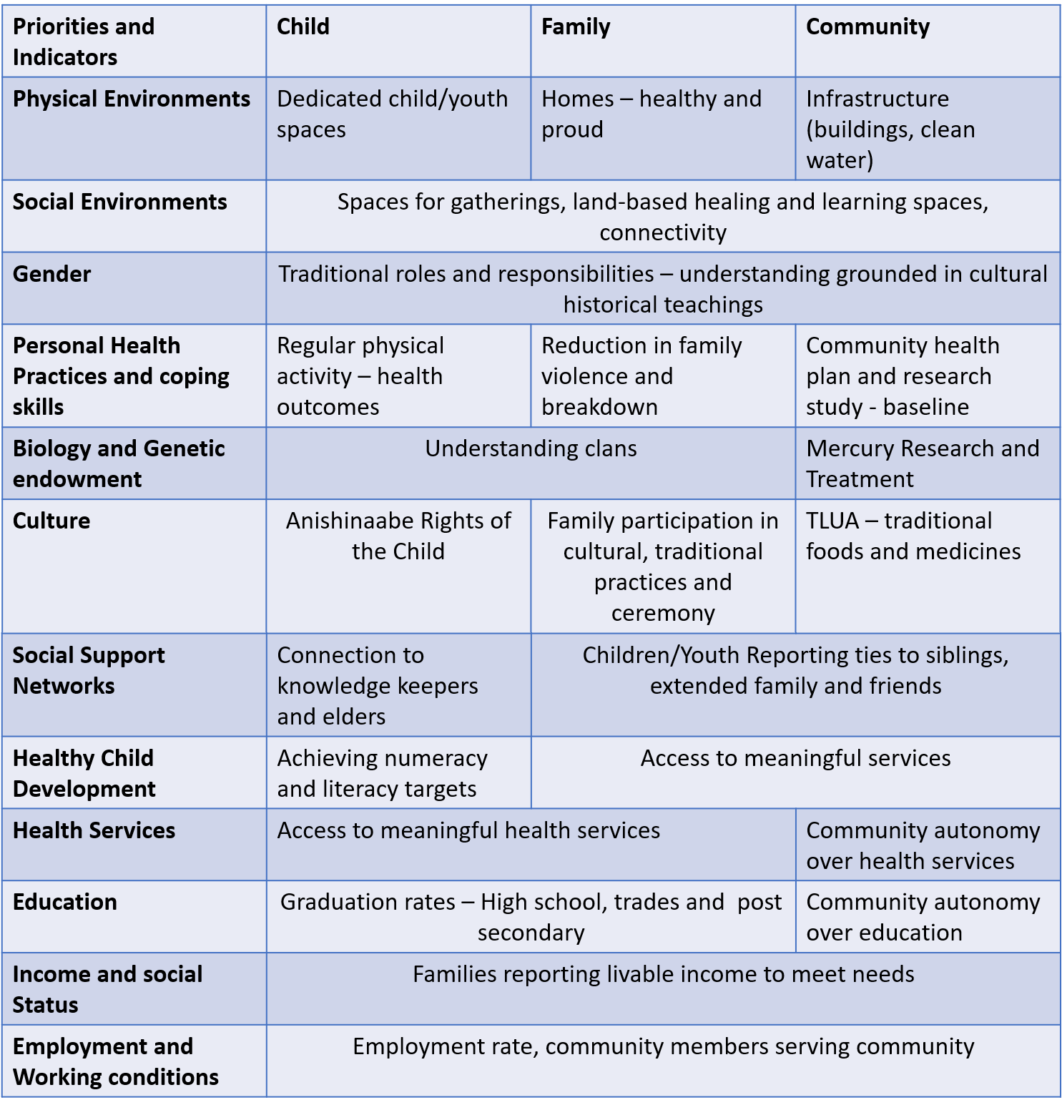
Wellness Indicators